Street light poles in Pakistan play a major role in modern infrastructure development. From busy highways and urban roads to residential communities and industrial zones, street lighting systems help improve visibility, public safety, traffic management, and the overall appearance of cities. As urbanization continues to grow, the demand for durable and high quality street light poles is increasing rapidly across commercial, industrial, and municipal sectors.
Modern infrastructure projects now require lighting solutions that combine durability, energy efficiency, and long term performance. Street light poles are no longer considered simple support structures for lights. Today, they are an essential part of smart city development, urban planning, transportation systems, and public safety infrastructure.
Governments, contractors, builders, and industrial developers invest heavily in reliable street lighting systems because proper illumination directly impacts road safety, security, and operational efficiency. High quality street light poles help ensure stable lighting performance while withstanding challenging weather conditions and environmental exposure.
Street lighting has become one of the most important components of modern urban development. Properly installed Pakistan street light poles improve nighttime visibility for drivers, pedestrians, and cyclists. They also reduce the risk of accidents, criminal activities, and traffic congestion in busy areas.
In rapidly developing cities and industrial zones, lighting infrastructure supports economic activity by creating safer and more functional public spaces. Commercial areas, highways, airports, housing societies, parking areas, and industrial facilities all rely on street lighting systems to maintain safety and operational continuity.
Street light poles Pakistan also contribute to the aesthetic value of public spaces. Modern designs improve the visual appearance of roads, parks, business districts, and residential communities. Many urban development projects now integrate decorative lighting poles to create attractive and modern environments.
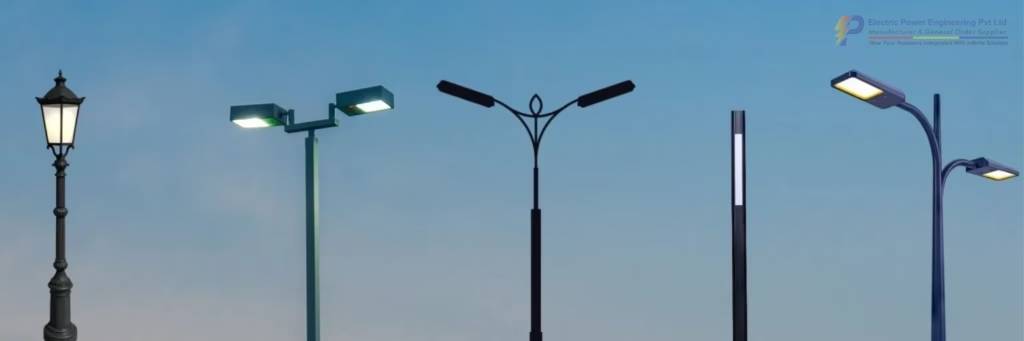
Different projects require different types of street light poles depending on environmental conditions, lighting requirements, and infrastructure design. Manufacturers produce various pole designs to meet the demands of commercial, industrial, municipal, and residential applications.
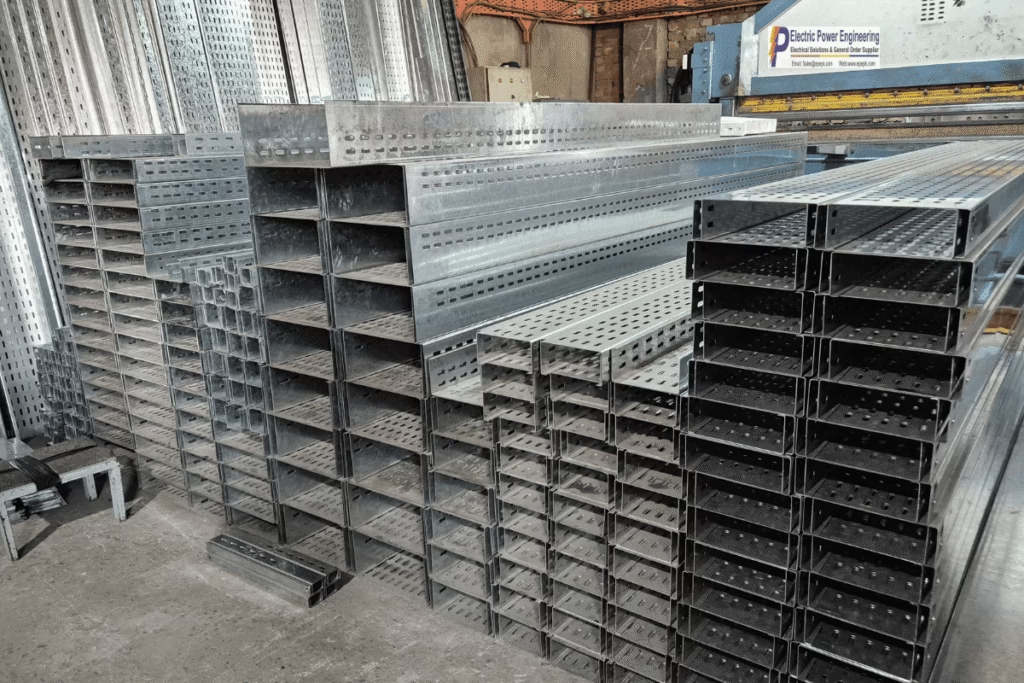
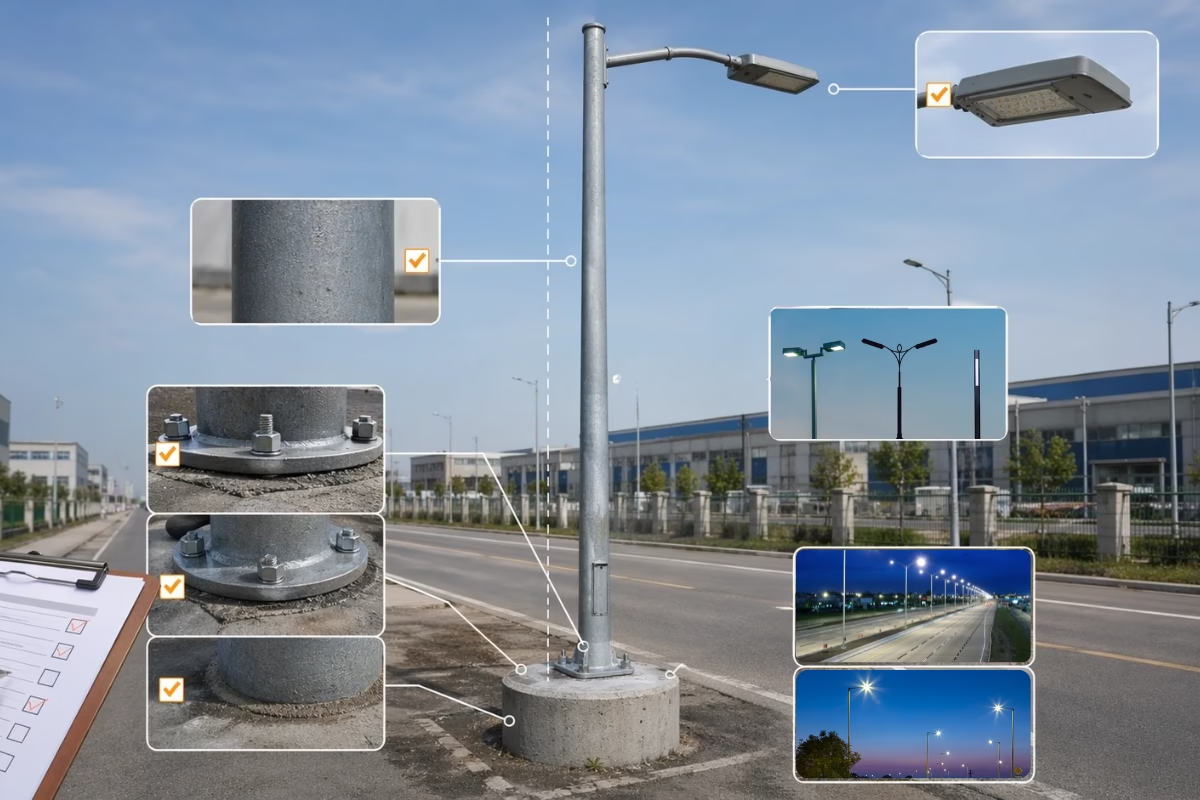
Galvanized street light poles are among the most widely used lighting structures because of their durability and corrosion resistance. Manufacturers apply a protective zinc coating to the steel surface to protect the poles from rust, moisture, and environmental damage.
These poles are commonly installed in highways, industrial zones, coastal areas, and infrastructure projects where weather resistance is important. Their long lifespan and low maintenance requirements make them a preferred choice for large scale projects.
Decorative lighting poles improve the visual appearance of parks, commercial districts, hotels, shopping centers, and residential communities. These poles combine lighting functionality with architectural design to create modern and attractive public spaces.
Many municipalities and developers choose decorative poles to enhance urban aesthetics while maintaining proper illumination.
High mast lighting poles are designed for large open spaces requiring high intensity illumination. Airports, stadiums, industrial yards, ports, highways, and large parking areas commonly use high mast systems because they provide wide lighting coverage from elevated heights.
These poles are engineered to support multiple lighting fixtures while maintaining structural stability under strong wind conditions.
The growing focus on renewable energy has increased the popularity of solar street lighting systems. Solar street light poles use solar panels to generate electricity and reduce dependence on traditional power sources.
These lighting systems help reduce electricity costs and support environmentally friendly infrastructure development. Many modern smart city projects now integrate solar lighting technology to improve sustainability.
Manufacturers use different materials to produce street light poles based on project requirements, environmental conditions, and structural specifications. Material quality directly affects durability, strength, and long term performance.
remains one of the most commonly used materials because it provides excellent structural strength and durability. Steel poles can support heavy lighting fixtures and withstand demanding weather conditions.
Galvanized steel poles offer additional corrosion resistance, making them suitable for outdoor environments exposed to moisture and pollution.
Aluminum poles are lightweight and naturally resistant to corrosion. These poles are often used in decorative lighting applications and areas where reduced structural weight is beneficial.
Although aluminum poles may not provide the same strength as steel, they offer excellent appearance and durability for specific projects.
Some modern projects use composite material poles because they provide resistance against corrosion, chemicals, and environmental stress. Composite poles also require minimal maintenance and offer long service life.
Public safety remains one of the biggest reasons behind the installation of street lighting systems. Properly illuminated roads and public spaces help reduce accidents and improve security during nighttime hours.
Drivers rely on road lighting to identify traffic signs, road obstacles, intersections, and pedestrians. Without sufficient lighting, the risk of road accidents increases significantly.
Street lighting also discourages criminal activities in public areas. Well lit streets, parking lots, parks, and commercial districts create safer environments for communities and businesses. Municipal authorities often prioritize lighting improvements in urban areas to strengthen public security and improve social activity.
Rapid urban expansion and infrastructure development continue to increase the demand for street light poles in Pakistan. Governments and private developers invest heavily in transportation infrastructure, smart city projects, industrial parks, and housing developments that require reliable lighting systems.
The construction of highways, bridges, metro systems, commercial districts, and industrial zones has created a growing market for advanced lighting infrastructure. Modern projects now require lighting systems that combine durability, energy efficiency, and smart technology integration.
Many cities also focus on replacing outdated lighting infrastructure with modern LED and solar lighting systems to reduce energy consumption and maintenance costs.
Technology is transforming the street lighting industry. Smart street lighting systems now include sensors, automated controls, remote monitoring, and energy efficient LED fixtures.
Smart lighting systems help municipalities and businesses reduce operational costs by automatically adjusting brightness levels based on traffic activity and environmental conditions. Remote monitoring systems also allow maintenance teams to identify technical issues quickly and improve maintenance efficiency.
LED street lighting has become particularly popular because it consumes less electricity while providing brighter and more consistent illumination. These systems help reduce energy expenses and support sustainable urban development.
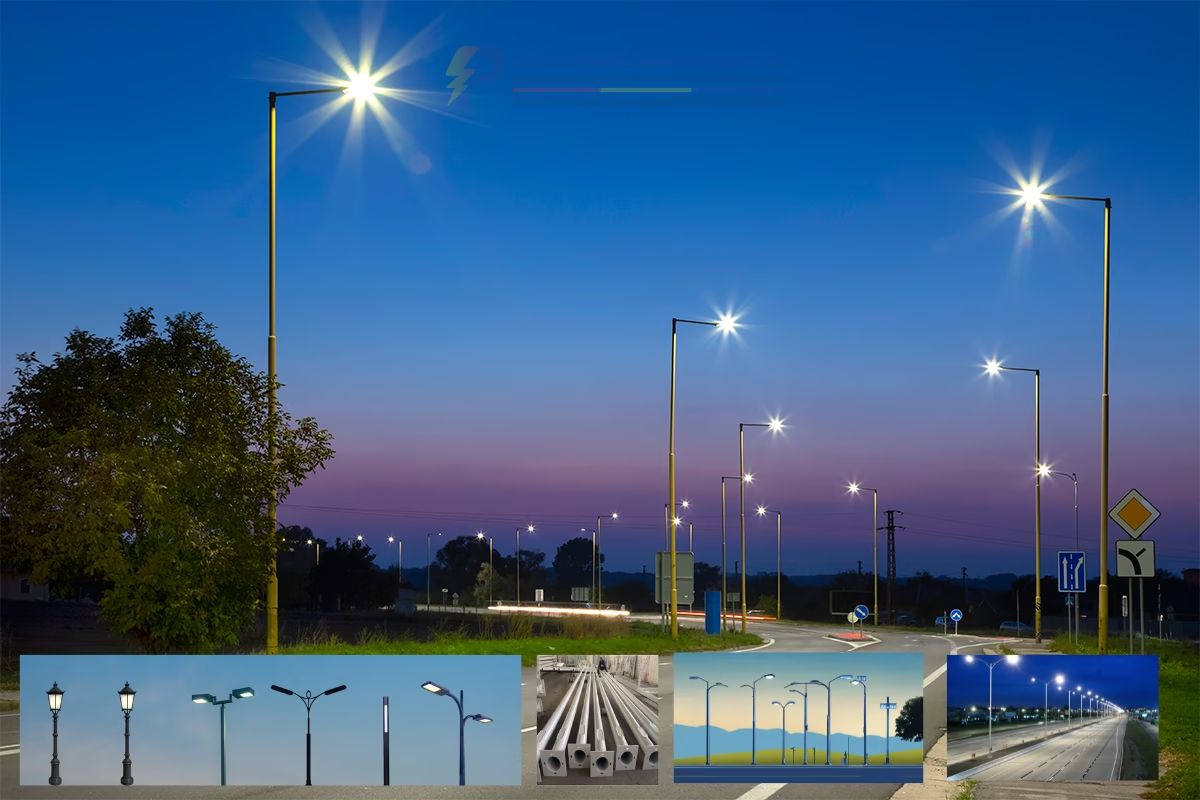
Street light poles remain exposed to harsh environmental conditions throughout their lifespan. Wind, rain, humidity, temperature changes, and pollution can affect structural integrity over time.
High quality poles must withstand these environmental challenges without compromising safety or performance. Manufacturers perform structural testing and quality inspections to ensure poles meet engineering standards and safety requirements.
Durable poles reduce maintenance costs and minimize the need for frequent replacements. This makes quality manufacturing essential for long term infrastructure investment.
Street light poles in Pakistan are used in a wide variety of applications across different industries and infrastructure sectors.
Urban roads and highways require lighting systems to improve traffic safety and nighttime visibility. Commercial districts use decorative lighting poles to improve aesthetics and attract visitors. Industrial facilities depend on high performance lighting systems to maintain operational safety during nighttime operations.
Residential communities also rely on street lighting to improve neighborhood safety and visibility. Parks, sports complexes, airports, ports, railway stations, and parking areas all require professionally designed lighting systems to support public activity and security.
Selecting the right supplier plays an important role in project quality and long term performance. Infrastructure developers and contractors should evaluate manufacturing standards, product quality, technical expertise, and customer support before purchasing street light poles.
Reliable suppliers provide structurally tested products that meet engineering and safety standards. They also offer guidance regarding pole height, lighting configurations, wind load requirements, and installation specifications.
Product quality should remain a top priority because low quality poles can create safety hazards and increase long term maintenance costs.
The future of the street lighting industry is closely connected to smart infrastructure and sustainable urban development. Governments and municipalities are increasingly investing in energy efficient lighting systems and intelligent city management technologies.
Solar powered lighting systems, LED technology, and smart monitoring systems are expected to dominate future infrastructure projects. These technologies help improve energy efficiency while reducing operational and environmental costs.
As cities continue to expand, the demand for durable, efficient, and technologically advanced street light poles will continue to rise. Manufacturers that focus on innovation, quality, and sustainability are likely to lead the future market.
Street lighting systems represent long term infrastructure investments. Poor quality poles can lead to structural failures, electrical hazards, and expensive maintenance issues.
High quality poles provide better durability, improved safety, and longer operational life. They also support reliable lighting performance under different environmental conditions.
For governments, businesses, and infrastructure developers, investing in durable street lighting systems helps improve public safety, infrastructure quality, and operational efficiency over the long term.
Their role extends beyond lighting because they contribute to road safety, urban aesthetics, public security, and smart city growth.
From highways and industrial zones to residential communities and commercial districts, reliable street lighting systems support modern urban life in many ways. Advances in lighting technology, renewable energy integration, and smart monitoring systems are transforming the future of street lighting infrastructure.
As infrastructure development continues to expand globally, the demand for high quality street light poles will continue to grow. Businesses, municipalities, and contractors that prioritize quality lighting infrastructure will benefit from improved safety, lower maintenance costs, and long term operational reliability.